
Orthodontics in Glendale, CA
Improve Tooth Alignment, Bite Balance, and Smile Function
Understanding
Orthodontic Care
Orthodontics focuses on improving the position of teeth and the way the upper and lower teeth come together. Concerns such as crowding, gaps, overbites, underbites, and other alignment problems can affect the appearance of your smile and may make certain areas more difficult to keep clean.
At
Smiles On Central Dental Group, we evaluate your tooth alignment and bite to determine appropriate orthodontic treatment based on your individual needs.
Improves the position and alignment of your teeth.
Addresses bite concerns affecting how teeth meet.
Makes crowded areas easier to brush and floss.
Supports a balanced, more evenly aligned smile.
Common Alignment Concerns We Address
Orthodontic care can address different types of tooth and bite misalignment. Our team can evaluate your smile to identify specific concerns and discuss appropriate treatment options.
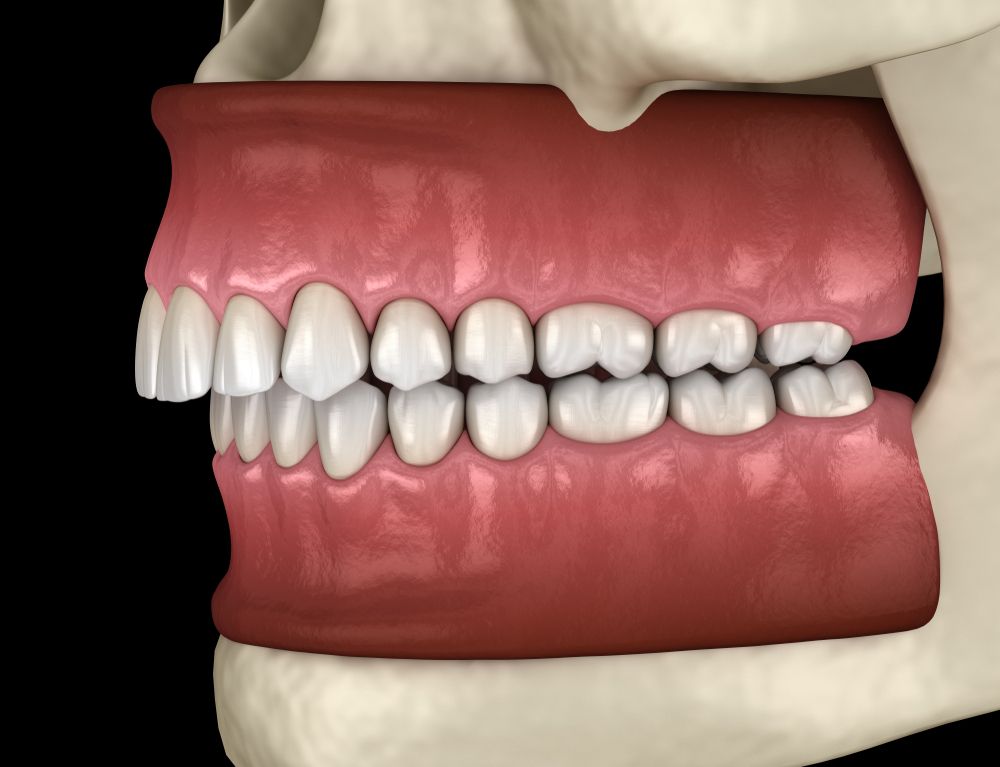
Overbite
An overbite occurs when the upper front teeth overlap the lower front teeth more than expected, which may affect bite balance and tooth wear.
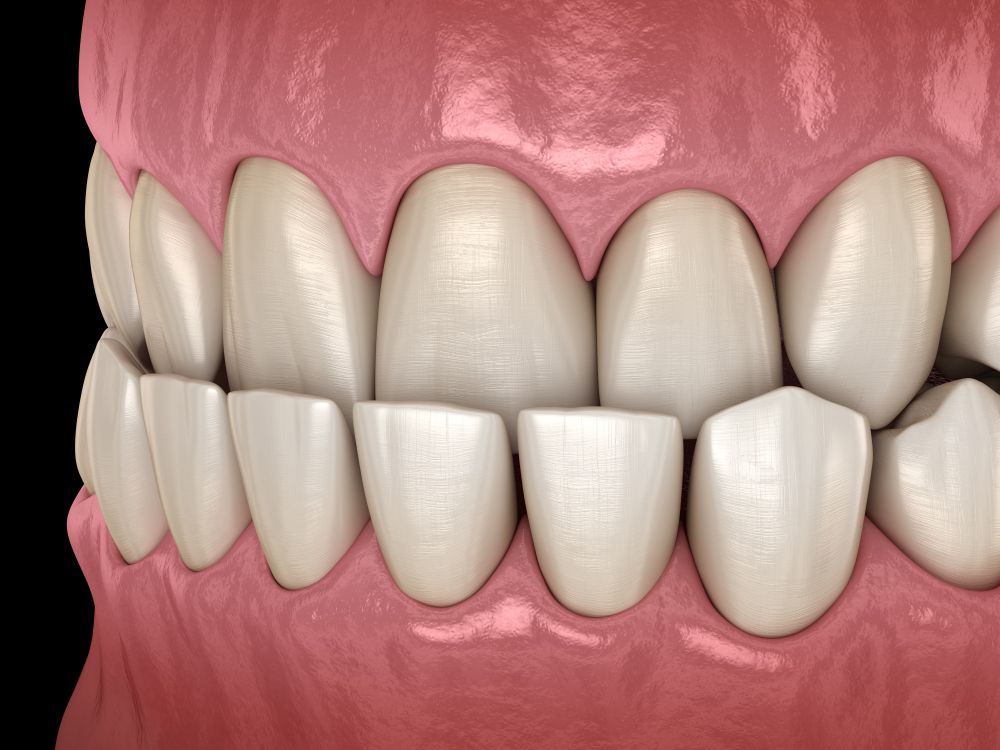
Underbite
An underbite occurs when the lower teeth extend in front of the upper teeth when biting, potentially affecting chewing and overall bite alignment.
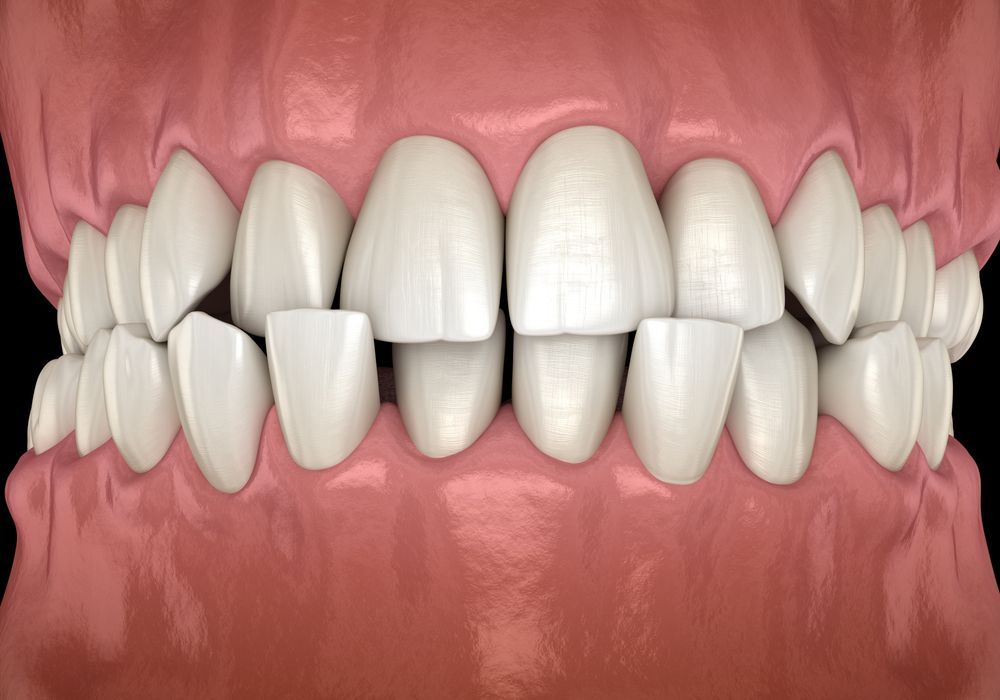
Crossbite
A crossbite occurs when some upper teeth sit inside the lower teeth when the mouth is closed, creating an uneven relationship between the dental arches.
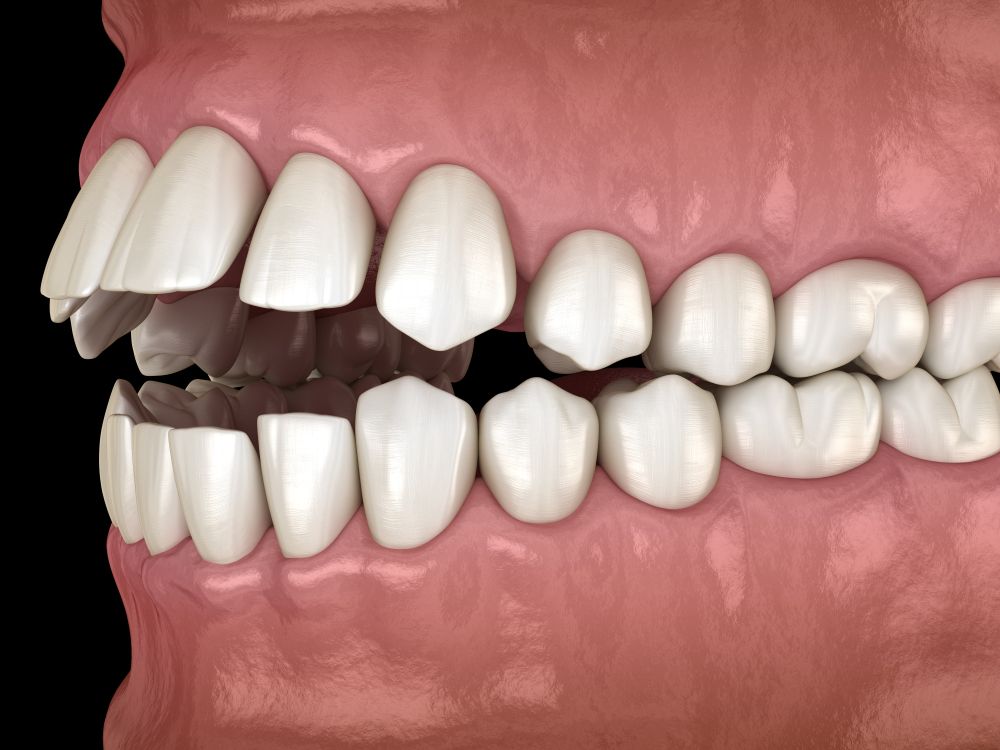
Open Bite
An open bite occurs when certain upper and lower teeth do not meet when the mouth is closed, which may interfere with normal biting and chewing.
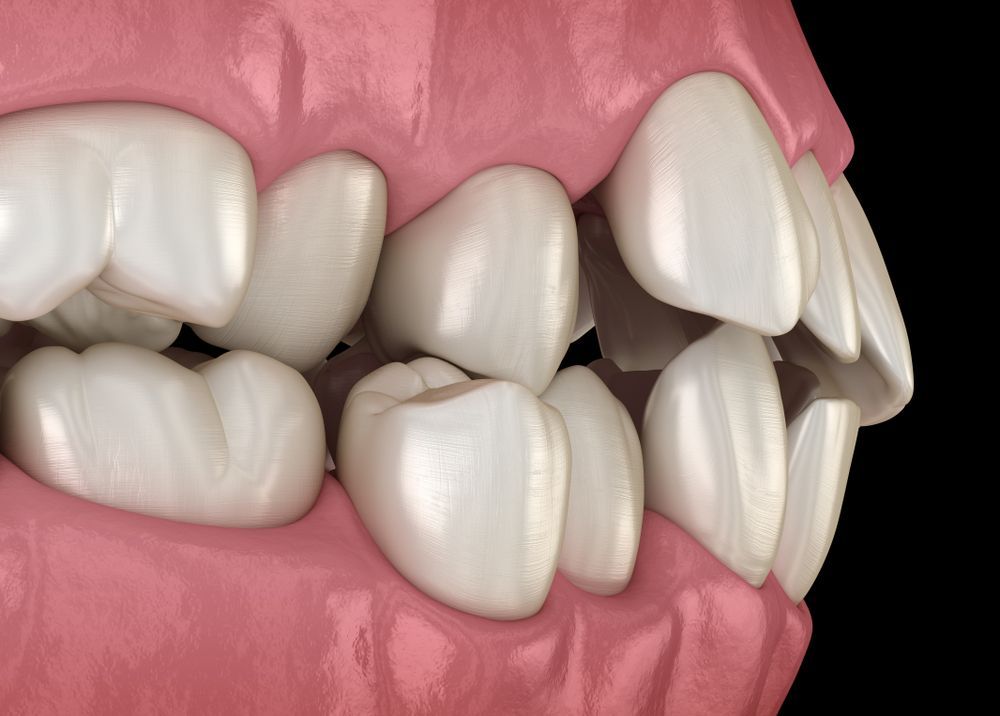
Crowded Teeth
Crowding develops when there is not enough space for teeth to align properly, causing teeth to overlap, rotate, or emerge in uneven positions.
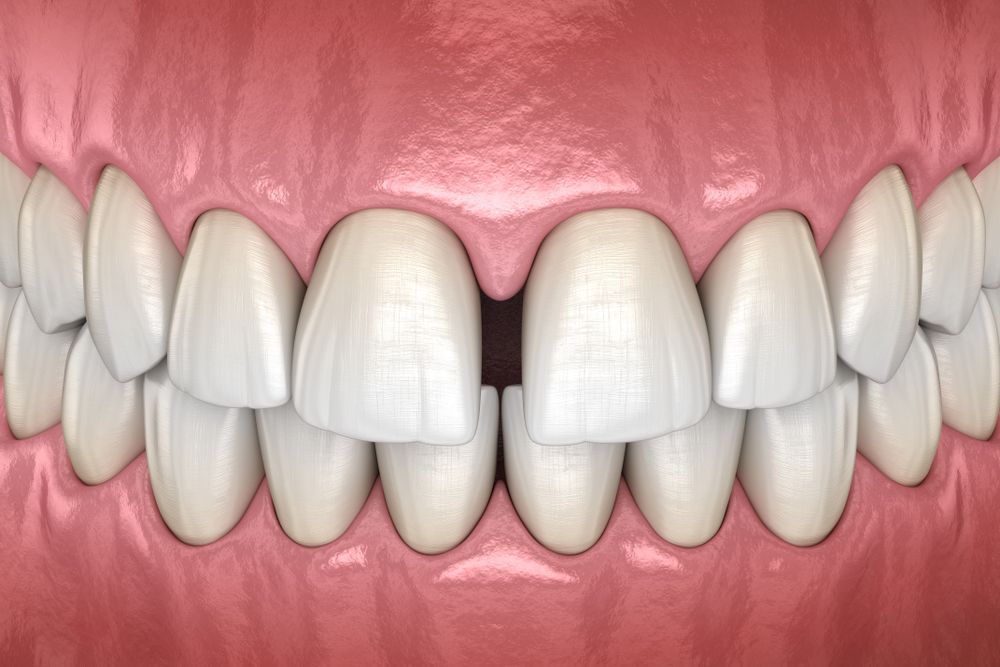
Gapped Teeth
Spaces can develop between teeth because of tooth position, tooth size, or available jaw space, creating noticeable gaps within the smile.
Orthodontic Treatment for Your Smile
Orthodontic treatment is planned around your tooth alignment, bite, oral health, and individual treatment goals. Our team evaluates the position of your teeth and how your upper and lower teeth come together before discussing suitable treatment options.
Treatment can help improve tooth alignment, reduce crowding or unwanted spacing, and create a more balanced bite. Straighter teeth may also make daily brushing and flossing easier, supporting healthier teeth and gums over time.
Frequently Asked Questions
What types of dental concerns can orthodontics address?
Orthodontic treatment can address concerns such as crowded teeth, unwanted spacing, overbites, underbites, crossbites, and open bites. Treatment focuses on gradually improving tooth positioning and bite alignment based on your individual oral health, alignment concerns, and treatment goals.
How do I know if I need orthodontic treatment?
You may benefit from an orthodontic evaluation if your teeth appear crowded, crooked, rotated, or widely spaced, or if your upper and lower teeth do not come together properly. An evaluation allows your dentist to examine your tooth positioning and bite and discuss whether orthodontic treatment may be appropriate.
Can orthodontic treatment make my teeth easier to clean?
Properly aligned teeth can make it easier to reach certain areas when brushing and flossing. Crowded or overlapping teeth may create spaces where plaque and food particles are more difficult to remove. Improving alignment can support more effective daily oral hygiene and long-term tooth and gum health.
How long does orthodontic treatment take?
Treatment time varies depending on the type and extent of tooth or bite misalignment, the orthodontic approach being used, and how your teeth respond to treatment. After evaluating your smile, your dentist can discuss the anticipated treatment process and provide a more individualized estimate of the timeline.
Will I need to wear a retainer after orthodontic treatment?
Retainers are commonly used after orthodontic treatment to help maintain the new positions of the teeth. Your specific retainer needs and how often it should be worn depend on your treatment and alignment. Following the recommended retention plan can help protect your results as your teeth and surrounding tissues adjust.
Ready for a Straighter,
More Balanced Smile?
Orthodontic treatment can improve tooth alignment, address bite concerns, and support easier daily oral hygiene. Schedule an evaluation with Smiles On Central Dental Group in Glendale to discuss your alignment concerns and explore orthodontic treatment options based on your needs.