


Dental Bonding in Glendale, CA
A Conservative Way to Improve Small Cosmetic Concerns
Why Consider
Dental Bonding?
Small chips, gaps, worn edges, discoloration, and uneven tooth shape can affect the appearance of your smile. Dental bonding uses tooth-colored resin to reshape selected areas and improve the look of the tooth.
At
Smiles On Central Dental Group, bonding may be recommended for patients looking for a simple and conservative
cosmetic treatment. Your dentist will evaluate the tooth and discuss whether bonding is appropriate for your goals.
Can improve the appearance of small chips and worn edges.
May help close minor gaps between teeth.
Can reshape uneven or irregular tooth surfaces.
Often requires minimal alteration of natural tooth structure.
What to Expect During Dental Bonding
Your treatment begins with an examination of the tooth and a discussion of the changes you would like to make. The tooth is prepared so the bonding material can attach securely to the surface.
A tooth-colored resin is then applied, shaped, and hardened before being polished to blend with the surrounding tooth. Many dental bonding procedures can be completed in a single visit, depending on the number of teeth being treated and the amount of reshaping required.
Frequently Asked Questions
What can dental bonding improve?
Dental bonding may be used to improve small chips, minor gaps, worn edges, uneven tooth shape, or selected areas of discoloration. Your dentist can determine whether bonding is suitable for the concern you would like to address.
Does dental bonding look natural?
The bonding material is selected to blend with the color of your natural teeth and is carefully shaped to match the surrounding tooth structure. The goal is to create a smooth, natural-looking result.
Does dental bonding require numbing?
Numbing is not always necessary when bonding is used for minor cosmetic changes. However, local anesthetic may be used if the tooth also requires treatment for decay, sensitivity, or another dental concern.
How long does dental bonding last?
The lifespan of bonding varies depending on your bite, oral hygiene, diet, and habits. Bonding can wear, chip, or stain over time, so your dentist will monitor it during routine dental visits.
How should I care for bonded teeth?
Brush and floss regularly and avoid biting hard objects such as ice, pens, or fingernails. Good oral hygiene and regular dental visits can help keep the bonding and surrounding tooth healthy.
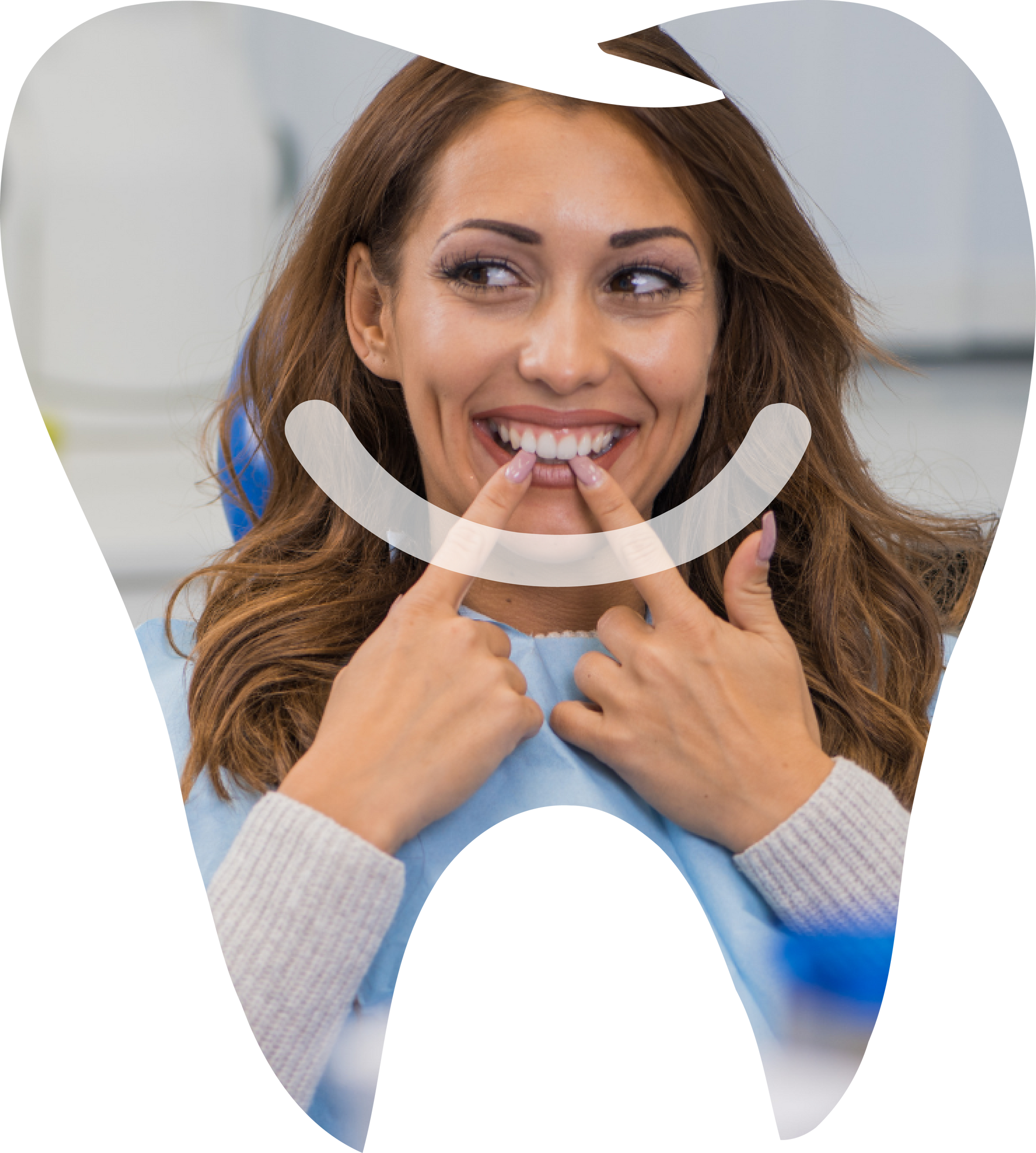
Make Small Changes to
Your Smile
Dental bonding can offer a conservative way to improve selected cosmetic concerns and refine the appearance of your teeth. Contact Smiles On Central Dental Group in Glendale to schedule a consultation and find out whether bonding is right for you.