


Dental Fillings in Glendale, CA
Restore Teeth Affected by Cavities or Minor Damage
Why Dental Fillings Matter
Tooth decay can weaken the enamel and create cavities that may grow larger without treatment. Teeth can also become chipped or damaged from everyday wear, biting forces, or minor injuries.
Dental fillings restore areas of lost tooth structure and help protect the remaining tooth. At
Smiles On Central Dental Group, your dentist can evaluate the damaged area and determine whether a filling is appropriate for restoring function and protecting your oral health.
Repairs teeth affected by cavities or minor damage.
Helps prevent decay from progressing further into the tooth.
Restores the shape and function of the treated tooth.
Supports comfortable biting and chewing.
What to Expect During a Dental Filling
Your dentist will first examine the tooth and may use digital X-rays to determine the extent of decay or damage. The area is typically numbed for comfort before the affected tooth structure is carefully removed and the area is cleaned.
The filling material is then placed and shaped to restore the tooth. Your dentist will check your bite and make any necessary adjustments before polishing the restoration. You may experience temporary sensitivity after treatment, particularly to temperature or pressure.
Frequently Asked Questions
How do I know if I need a dental filling?
Cavities do not always cause noticeable symptoms. Sensitivity, pain when chewing, visible dark spots, or a chipped area may indicate a problem. Your dentist can examine the tooth and use digital X-rays when needed to determine whether a filling is appropriate.
Does getting a filling hurt?
The tooth is usually numbed before treatment to help keep you comfortable. You may feel some pressure or vibration during the procedure. Mild sensitivity can occur afterward, but it usually improves as the tooth adjusts.
How long does a dental filling last?
The lifespan of a filling depends on its size, location, material, your bite, and your oral hygiene habits. Regular dental examinations allow your dentist to check existing fillings for signs of wear or damage.
Can a filling repair a broken tooth?
A filling can sometimes repair a small chip or minor area of damage. If the tooth has lost more structure or is significantly weakened, your dentist may recommend a crown or another restorative treatment instead.
Can I eat after getting a filling?
This depends on the filling material and whether your mouth is still numb. It is generally a good idea to wait until normal sensation returns before chewing so you do not accidentally bite your cheek, lip, or tongue.
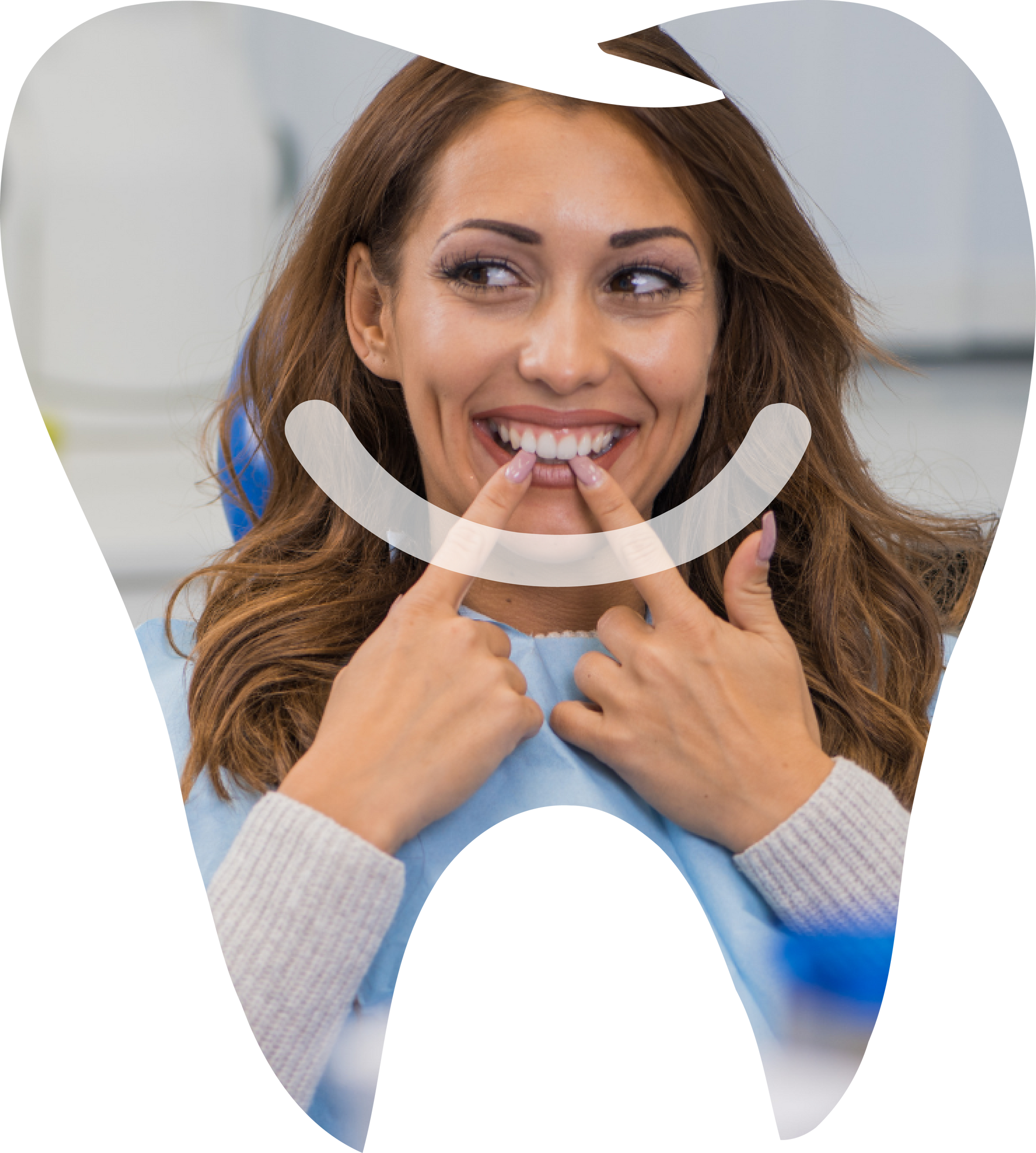
Restore and Protect
Your Teeth
Treating cavities and minor tooth damage early can help preserve more of your natural tooth structure. Contact Smiles On Central Dental Group in Glendale to schedule an evaluation for a dental filling.